Depression, clinically referred to as major depressive disorder (MDD), is a prevalent and debilitating mental health condition that affects how individuals feel, think, and function in daily life. While transient sadness and emotional fluctuations are natural aspects of human experience, depression represents a persistent and severe disturbance in mood that significantly impairs personal, occupational, and social functioning.
Herhangi bir sorunuz var mı?

Understanding Depression: Causes, Symptoms, and Treatment Approaches
Ocak 4, 2018
Psychology
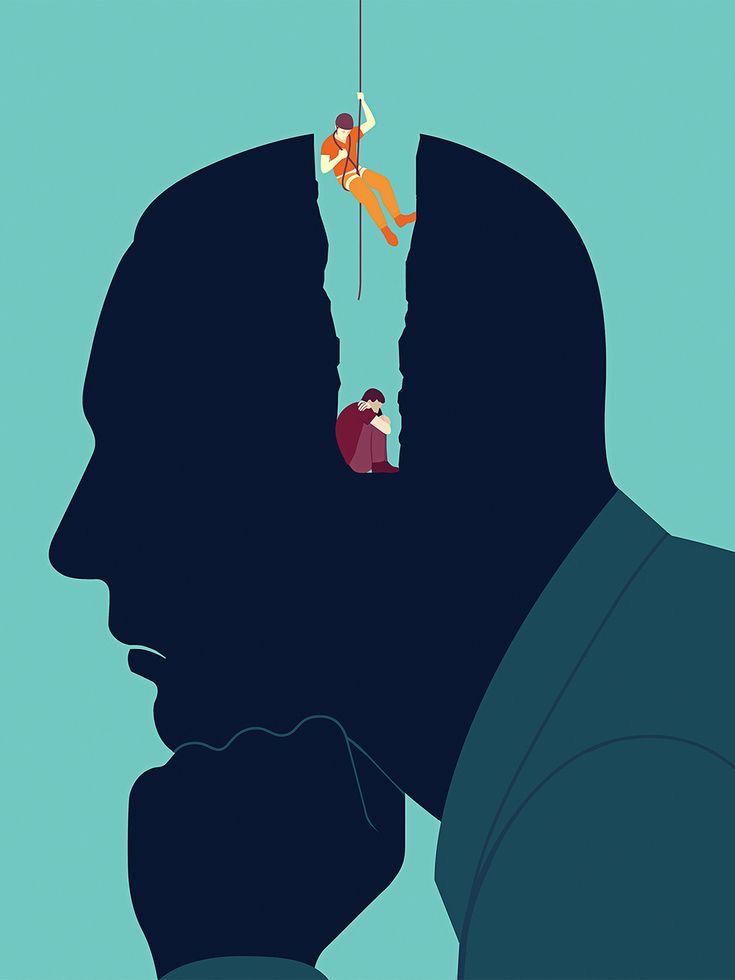
Deppression
Definition and Prevalence
Depression is characterized by a sustained low mood or loss of interest in pleasurable activities lasting at least two weeks, often accompanied by cognitive, behavioral, and physical symptoms. It transcends demographic boundaries—affecting individuals across all ages, genders, socioeconomic levels, and cultural backgrounds. Research has consistently demonstrated that depression arises from the interaction of genetic, biological, environmental, and psychological factors, rather than from a single cause.
Although women are statistically diagnosed with depression more frequently than men, research suggests that men are less likely to report depressive symptoms or seek psychological help. Consequently, men’s depression may go undiagnosed or undertreated, often masked by irritability, anger, or substance use.
Types of Depression
Depression manifests in several forms, with varying degrees of severity and duration:
Major Depressive Disorder (MDD): Marked by persistent low mood or anhedonia (loss of interest or pleasure) for at least two weeks, interfering with normal functioning.
Persistent Depressive Disorder (Dysthymia): A chronic form of depression with less intense but long-lasting symptoms, typically persisting for two years or more.
Additional specific forms include:
Seasonal Affective Disorder (SAD): Associated with changes in seasons, usually worsening during fall and winter.
Depression with Psychotic Features: Involves hallucinations or delusions alongside depressive symptoms.
Bipolar Disorder: Characterized by alternating episodes of depression and mania or hypomania.
Perinatal and Reproductive-Related Depressions: Including premenstrual dysphoric disorder, perinatal depression, and perimenopausal depression, all influenced by hormonal and physiological changes in women.
Signs and Symptoms
Depression presents through a spectrum of emotional, cognitive, and physical symptoms. Common signs include:
-
Persistent sadness, emptiness, or anxiety
-
Hopelessness, guilt, or feelings of worthlessness
-
Fatigue, loss of energy, and slowed physical or mental functioning
-
Difficulty concentrating or making decisions
-
Disturbed sleep (insomnia or hypersomnia)
-
Changes in appetite and weight
-
Psychosomatic complaints such as headaches or digestive distress
-
Withdrawal from social interactions and pleasurable activities
-
Thoughts of death or suicide
Not every individual exhibits all symptoms, and their intensity and duration vary. Importantly, untreated depression can lead to significant impairment and increased suicide risk.
Treatment Approaches
Effective treatment for depression often involves a multimodal approach combining psychotherapy, pharmacotherapy, and lifestyle adjustments.
1. Psychotherapy
Psychotherapy—also known as talk therapy—helps individuals modify maladaptive thought patterns and behaviors contributing to depression. The most empirically supported modalities include:
-
Cognitive Behavioral Therapy (CBT): Focuses on identifying and restructuring distorted cognitions and behaviors that perpetuate depressive states.
-
Interpersonal Therapy (IPT): Emphasizes improving interpersonal relationships and communication patterns to alleviate mood disturbances.
Both modalities can be delivered in person or via telehealth platforms and are often tailored to individual needs.
2. Pharmacotherapy
Antidepressant medications are a cornerstone of depression treatment. Common classes include selective serotonin reuptake inhibitors (SSRIs) and serotonin-norepinephrine reuptake inhibitors (SNRIs). These medications typically require several weeks to take effect. In cases of treatment-resistant depression, newer interventions such as esketamine nasal spray—approved by the U.S. Food and Drug Administration (FDA)—may be used alongside oral antidepressants.
3. Brain Stimulation Therapies
For individuals who do not respond to conventional treatments, brain stimulation techniques such as electroconvulsive therapy (ECT) and repetitive transcranial magnetic stimulation (rTMS) may provide relief. These methods use electrical or magnetic impulses to modulate brain activity involved in mood regulation.
4. Complementary and Lifestyle Approaches
Although the FDA has not approved natural products for depression treatment, some individuals report benefit from supplements like vitamin D or St. John’s wort. However, due to potential drug interactions, such supplements should only be used under medical supervision. Lifestyle strategies—such as regular exercise, balanced nutrition, structured routines, and social engagement—also play a vital role in recovery and relapse prevention.
Self-Care and Support
Managing depression requires patience, consistency, and support. Individuals are encouraged to:
-
Maintain regular sleep and eating patterns
-
Engage in physical activity
-
Connect with supportive peers and family
-
Avoid alcohol and non-prescribed drugs
-
Delay major life decisions until mood improves
Family members and friends can assist by offering empathy, encouraging adherence to treatment, and providing practical help with daily responsibilities.