Manipulation is a hidden force that can shape our thoughts, emotions, and actions. Often, we don’t notice it at first. But manipulation can have serious effects on our mental health and relationships. Learning to recognize it is the first step toward protecting yourself.
Herhangi bir sorunuz var mı?

Recognizing Manipulation: How to Protect Yourself
Ocak 5, 2018
Psychology
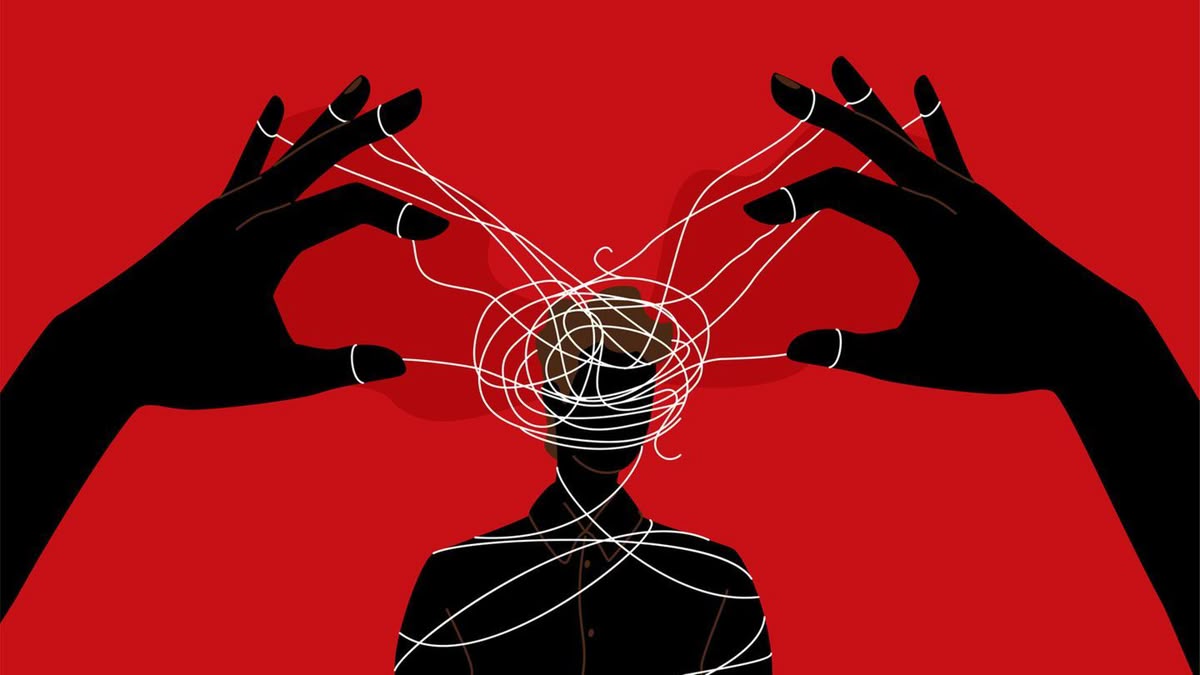
Manipulation Tactics
Emotional Appeals
Manipulators often use emotions to control you. They make you feel guilty, as if you are responsible for their happiness, saying things like, “After all I’ve done for you…” They may also try to scare you by warning of bad outcomes if you don’t comply. Sometimes, they play the victim to gain your sympathy and support. These tactics pressure you into acting without thinking and cloud your judgment.
Gaslighting
Gaslighting makes you doubt yourself.
They deny facts: “That never happened.”
They minimize your feelings: “You’re overreacting.”
The goal is to make you question your reality. Over time, you may rely on them to validate your own thoughts.
Flattery and Charm
Manipulators can be very charming. They often praise you excessively and appear kind or supportive. This builds trust and makes you feel comfortable around them. Later, they may use this trust to push you into doing what they want, often without you realizing it.
Pressure and Urgency
Manipulators rush you into decisions. They create fake deadlines, saying things like, “Decide now or miss out,” and make you feel your options are limited. This prevents you from thinking clearly and carefully. Pressure is a key tool manipulators use to control your actions.
Distortion of Facts
Manipulators twist reality to their advantage. They may blame you for problems they caused or misrepresent your words and actions. This makes it difficult to argue, as you start feeling like you are always in the wrong. Over time, it erodes your confidence in your own judgment.
Passive-Aggressive Behavior
Some manipulation is subtle. Manipulators may use the silent treatment, give backhanded compliments, or sabotage situations indirectly to control or punish you. These behaviors create confusion and keep you off balance, making it harder to respond effectively.
Conditional Love or Approval
Certain manipulators make love, friendship, or support feel conditional. They might say things like, “If you really cared, you would…” This makes you feel that you must constantly earn their approval. Healthy relationships, however, do not rely on fear or obligation.
Exploiting Weaknesses
Manipulators often target your insecurities. They notice your fears, vulnerabilities, and doubts, and use these to influence your decisions. Recognizing when this is happening can help you protect your self-esteem and maintain control over your choices.
- Protecting Yourself from Psychological Manipulation
- Recognize Patterns: Notice when someone repeatedly uses guilt, fear, or flattery to control you. Manipulation often follows predictable emotional patterns.
-
Trust Your Instincts: Pay attention to your gut feelings. If something feels off, it likely is. Your emotional discomfort is often the first warning sign.
-
Set Clear Boundaries: Learn to say “no” confidently and without guilt. You have the right to protect your time, emotions, and energy.
-
Seek Support: Talk to trusted friends, family members, or a counselor. Getting an outside perspective helps you see manipulation more clearly.
-
Document Interactions: Keep notes about conversations and behaviors that seem manipulative. Writing things down reinforces your sense of reality and prevents self-doubt.
-
Strengthen Self-Worth: Manipulators often target insecurity. Building confidence and self-respect makes you less vulnerable to emotional control.
-
Avoid Over-Explaining: You don’t owe long justifications for your decisions. Short, firm responses protect your emotional space.
-
Stay Calm: Manipulators thrive on emotional reactions. Respond calmly and avoid being drawn into unnecessary arguments.
-
Know When to Walk Away: If manipulation continues despite your efforts, distance yourself. Protecting your mental health should always come first.